
Navigating the Energy Transition: A Pragmatic Roadmap for African Enterprises
Chidinma Okoro
Commercial Strategy Director · 3rd Energy
Why the energy transition in West Africa requires a dual-track strategy: cleaner liquid fuels today, scaled gas and renewables tomorrow.
A Realistic Framework for the Energy Transition
Global decarbonization dialogues often propose an overnight leap to 100% renewables. However, for industrial enterprises across West Africa, energy reliability and cost competitiveness must be balanced alongside carbon reduction targets.
The Dual-Track Energy Transition Model
Phase 1: High-Efficiency Conventional Fuel Optimization
Optimizing existing diesel fleets with high-cetane fuels, electronic engine management, and waste heat recovery cuts immediate carbon emissions by 10–18% with minimal capital outlay.
Phase 2: Hybridization with Distributed Solar & Gas
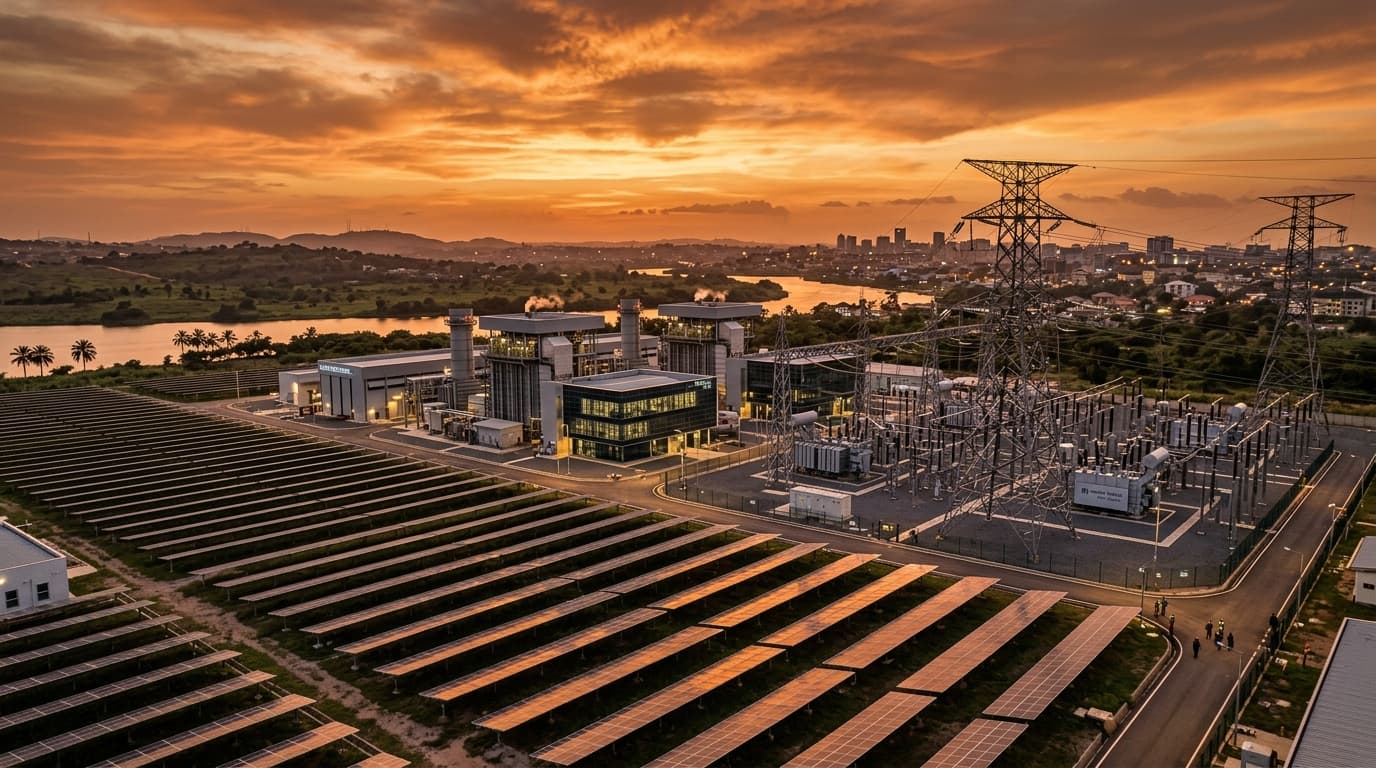
Integrating on-site rooftop solar and transitioning heavy thermal loads to natural gas (LNG/CNG) establishes a reliable bridge fuel that slashes emissions by up to 30% compared to heavy fuel oils.
Phase 3: Utility-Scale Renewable Integration & Smart Storage
As battery storage costs continue to drop and local regulatory frameworks for captive power generation mature, enterprises can progressively scale renewable generation to 60%+ of their annual energy mix.
Energy transition in emerging markets is not about choosing between reliability and sustainability — it is about engineering a resilient path that delivers both.
Chidinma Okoro
Commercial Strategy Director · 3rd Energy Advisory Group
Specializing in commercial energy risk management, industrial procurement logistics, and corporate energy transition frameworks across West Africa.
Ready to Apply These Insights to Your Operations?
Our technical and procurement advisors work directly with commercial and industrial operations teams to implement verified cost-saving supply structures.
Schedule an Energy Transition Consultation